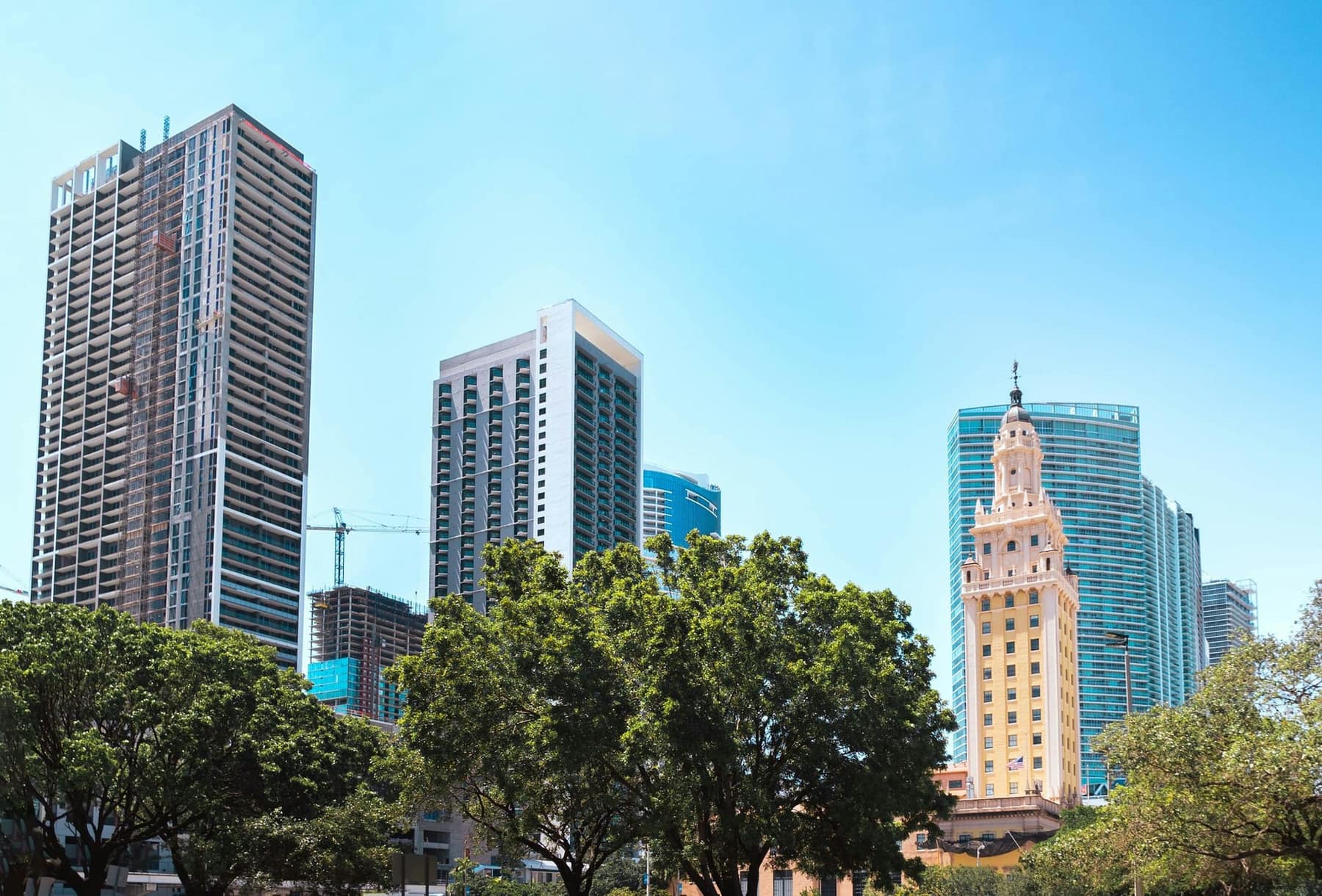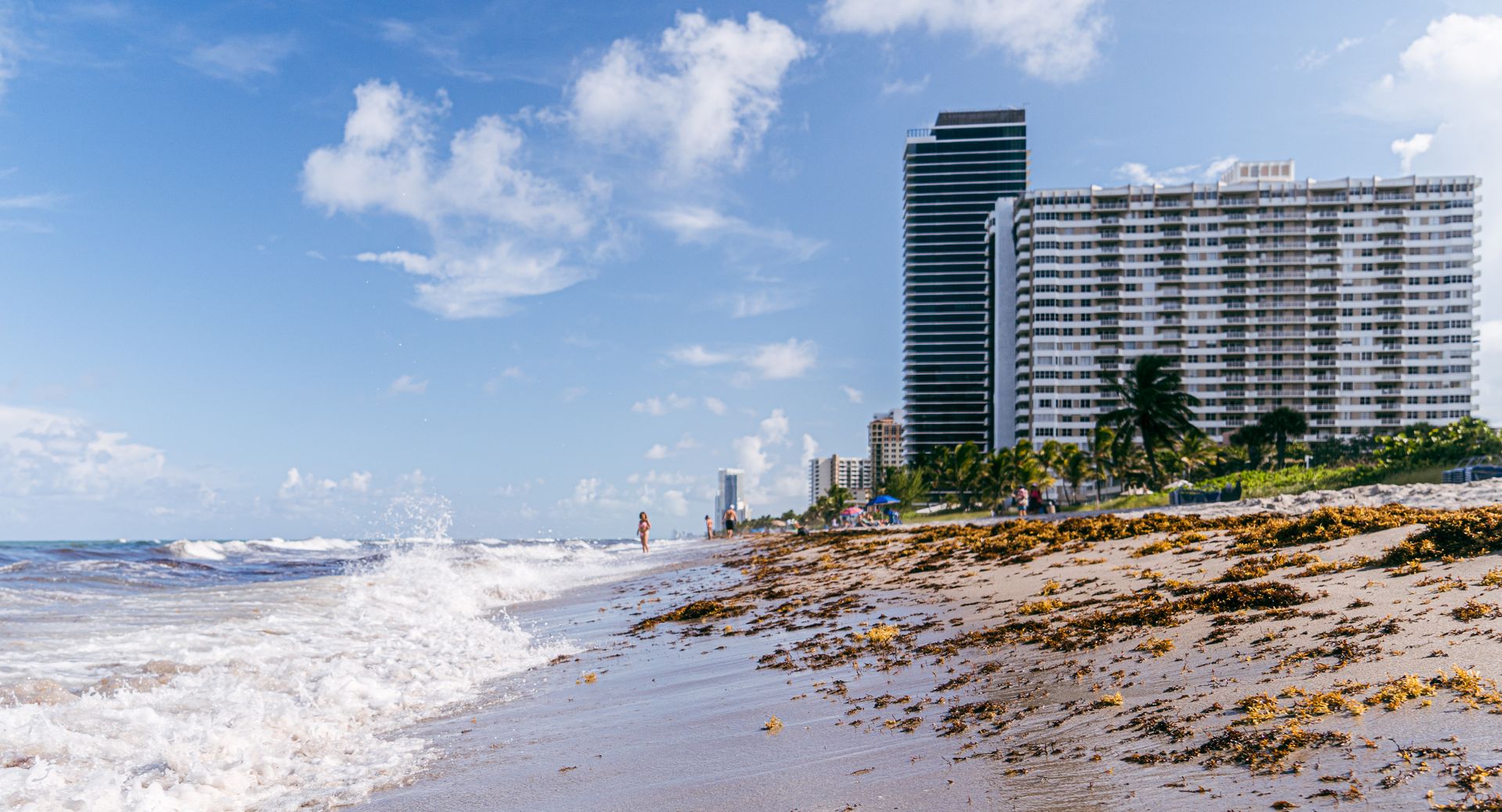
Miami’s short-term rental market is one of the most lucrative in the world. Between the winter high season, Art Basel, and year-round international tourism, the revenue potential for luxury coastal properties is unmatched.
But for out-of-state and international investors, managing a Miami property remotely presents a unique set of operational hazards. The reality of coastal weather, the high-risk nature of the tourist demographic, and complex local regulations mean that “passive income” quickly becomes a full-time logistical crisis.
If you are managing your Miami real estate portfolio from New York, Chicago, or abroad, here is the blueprint for remote operations, and why getting it wrong costs more than just empty calendar nights.
1. Vet Guests Strictly
Miami attracts a high-spending crowd, but it also attracts unauthorized events and party-goers. When you are a thousand miles away, a standard Airbnb background check is not enough to protect a high-value asset.
- The Remote Fix: You must require independent ID verification, off-platform security deposits, and sign agreements that strictly prohibit events. Additionally, install privacy-compliant noise monitoring devices (like Minut or NoiseAware) that alert your phone the second decibel levels spike.
- The Catch: When an alert goes off at 2:00 AM on a Saturday, you need a local security contact or staff member who can legally and safely dispatch to the property. An app notification cannot physically stop property damage.
2. Engineer Preventative Coastal Maintenance
High-humidity, coastal environments accelerate real estate depreciation. Saltwater corrosion, HVAC strain, and sudden tropical weather require proactive estate management, not just a reactive handyman.
- The Remote Fix: Build a deep local vendor list. You need a dedicated pool maintenance team, landscapers, an HVAC specialist on retainer, and a cleaning crew trained in estate upkeep, not just turning over beds. You also need a hurricane-prep protocol with local contractors who can secure the property on 48 hours’ notice.
- The Catch: Coordinating five different vendors from another time zone leads to deferred maintenance. In high-value real estate, deferred maintenance directly degrades your nightly rate and increases your overhead. (Read more in our OpEx Benchmarks for Coastal STRs report.)
3. Abandon “Set It and Forget It” Pricing
Miami’s market does not operate on a flat weekend/weekday pricing structure. High-season surges, hyper-local events (like Ultra Music Festival or Formula 1), and sudden weather shifts dictate demand.
- The Remote Fix: Utilize dynamic pricing software to scrape local occupancy data and adjust your rates daily.
- The Catch: Algorithms don’t know that your specific neighborhood just opened a highly anticipated restaurant, or that a specific luxury demographic is booking longer stays this winter. Pure software under-prices premium assets during peak surges and over-prices them during shoulder seasons, resulting in severe lost yield.
4. Operational Underwriting During Acquisition
Are you currently in the acquisition phase? If you are working with a broker to acquire a Miami property, operational underwriting is just as crucial as the financial modeling.
We frequently partner directly with local real estate agents. Before you close, Virestia can review the property and set out an operating plan so it is ready to perform from day one. You focus on the transaction; we handle the transition.
The Verdict: Why Remote Ownership Calls for Estate Operations
Managing a Miami short-term rental remotely usually forces owners to act as a long-distance general contractor, juggling cleaners, guest messages, and maintenance logs from their phones.
High-value real estate operates on a different cadence. Your property shouldn’t depend on a patchwork of vendors coordinated from a phone; it calls for an operation built for high-value residences.
This is where Virestia steps in.
We are a full-service estate operations firm on the ground in Miami, Houston, Los Cabos, and Tulum. We don’t just “manage your Airbnb.”
- Precision over volume: We manage fewer properties, better. Every residence gets the attention of a private estate.
- Transparency by default: You see everything: real-time dashboards, monthly P&Ls, and maintenance logs. No black boxes.
- Preservation is non-negotiable: Preventive maintenance protocols and climate-specific care protect your asset long-term.
Your portfolio should outperform the market without compromising the property itself.
Ready to see how your Miami property should be run? Tell us about the property and we will come back with a management proposal that covers its condition, its position in the market, and how we would operate it.