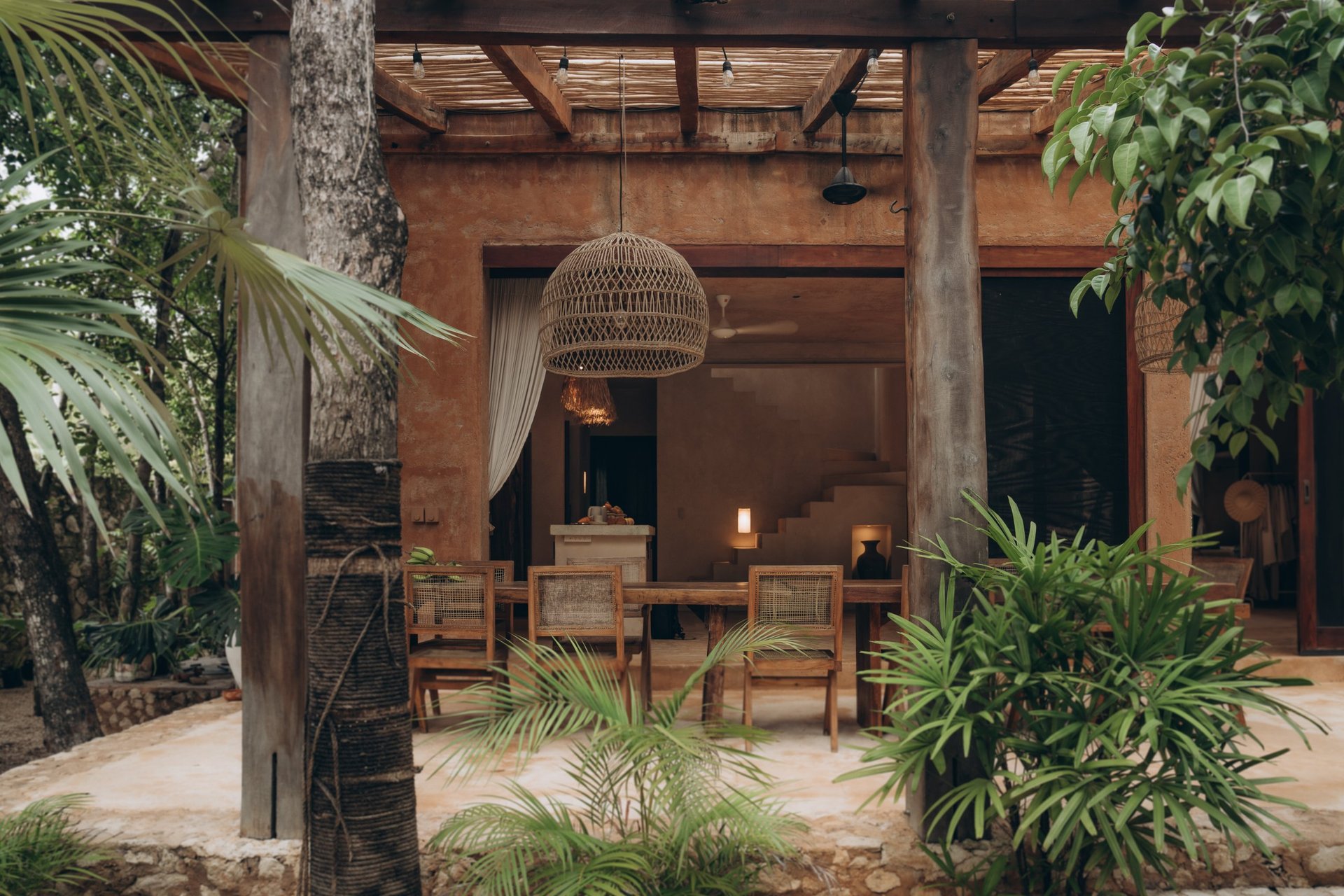
Mexico’s coastal markets keep drawing US owners. Los Cabos has Pedregal, Palmilla and Querencia, and Tulum keeps adding infrastructure and demand. But the way many owners run these homes does not fit them.
The usual mistake is to apply a domestic property-management model to a cross-border asset. When you operate a villa from California, Texas or New York, you are not just managing an Airbnb. You are running a small international operation, and the distance is measured less in miles than in legal frameworks, currencies, labor practices and coastal wear.
If you already manage a Mexican vacation rental from abroad, here are the four places it tends to break, and what holds up instead.
1. Vendor management you cannot do by app
The domestic playbook is to call a handyman on demand or book a cleaning crew through an app. In high-end Mexican enclaves it stops working. The strongest tradespeople, such as HVAC specialists, carpenters and pool technicians, tend to work through long-standing local relationships rather than digital portals.
The cost shows up at the worst moment. When an air-conditioning unit fails in July, or a pool system goes down before a high-value check-in, coordinating the fix over WhatsApp from another time zone leads to cancelled stays, refunds and review damage that follows the listing afterward.
What replaces it is an operator on the ground with its own vendor network and direct control of the work. An intermediary who forwards calls does not solve this. A team that can send someone to the property that day does.
2. Coastal wear is a cost, not a surprise
The climate along Mexico’s main coastal markets is hard on residential buildings, and it differs by market.
In Los Cabos, salt, strong UV and desert dust wear down exterior finishes, gates and metal fixtures. In Tulum and the wider Riviera Maya, humidity and heat affect furniture, walls and air-conditioning equipment. We cover the furniture side in why fast furniture fails in the Riviera Maya.
A reactive model, where you wait for a guest to report something broken, brings replacement costs forward. Preservation has to be scheduled: climate-specific inspections, treating exposed metal, checking moisture seals and servicing mechanical systems before peak season rather than during it. Our OpEx benchmarks for coastal short-term rentals show where these costs land.
3. Finances that arrive in another language and currency
An owner abroad often ends up juggling local utilities (CFE), municipal property tax (predial), association dues (cuotas), vendor payments and bank wire fees. Tax and compliance obligations, including IVA and ISR where they apply, depend on how the property is owned and used, so they should be confirmed with qualified advisers in both countries. For Los Cabos owners, the electricity side has its own wrinkle, which we explain in our piece on the CFE tariff for Los Cabos villas.
You should not have to convert receipts or translate line items. A good operator consolidates local costs and sends an itemized monthly statement in US dollars, with occupancy, average daily rate and net results visible alongside it. A foreign asset should not be a black box.
4. Guest concierge as a way to control access
In high-end markets, concierge services are usually seen as an upsell. They also protect the property. Guests at high-value villas often want private chefs, transport and excursions. If the property has no structured program, they arrange their own providers, and people you have never met enter the residence.
A controlled concierge program keeps those services vetted and keeps access to the house and grounds in the operator’s hands. It also makes for a better stay, which supports repeat and direct bookings over time.
The verdict: estate operations or an owner-coordinated setup
Running a high-value Mexican residence through scattered local hires and app notifications takes more of your time than it appears to and leaves the asset exposed. A property like this needs a different structure.
We run estate operations in Los Cabos, Tulum, Miami and Houston. We manage fewer properties, with the care a private residence gets.
Preservation first. Preventive care built for coastal and tropical conditions, scheduled rather than reactive.
Pricing second. Rates guided by local market knowledge, so peak periods are not left on the table.
Clear reporting. One monthly USD statement, live metrics and a plain view of what the property is doing.
Your Mexican property should not consume your attention or put the building at risk.
Ready to talk through your property? Tell us about a residence you own in Los Cabos or one you are considering in Tulum, and we will come back with a management proposal that covers its condition, its place in the market and how we would run it.