Ask three Miami Airbnb management companies what they do and you will hear the same sentence three times. Listings, pricing, guests, cleaning.
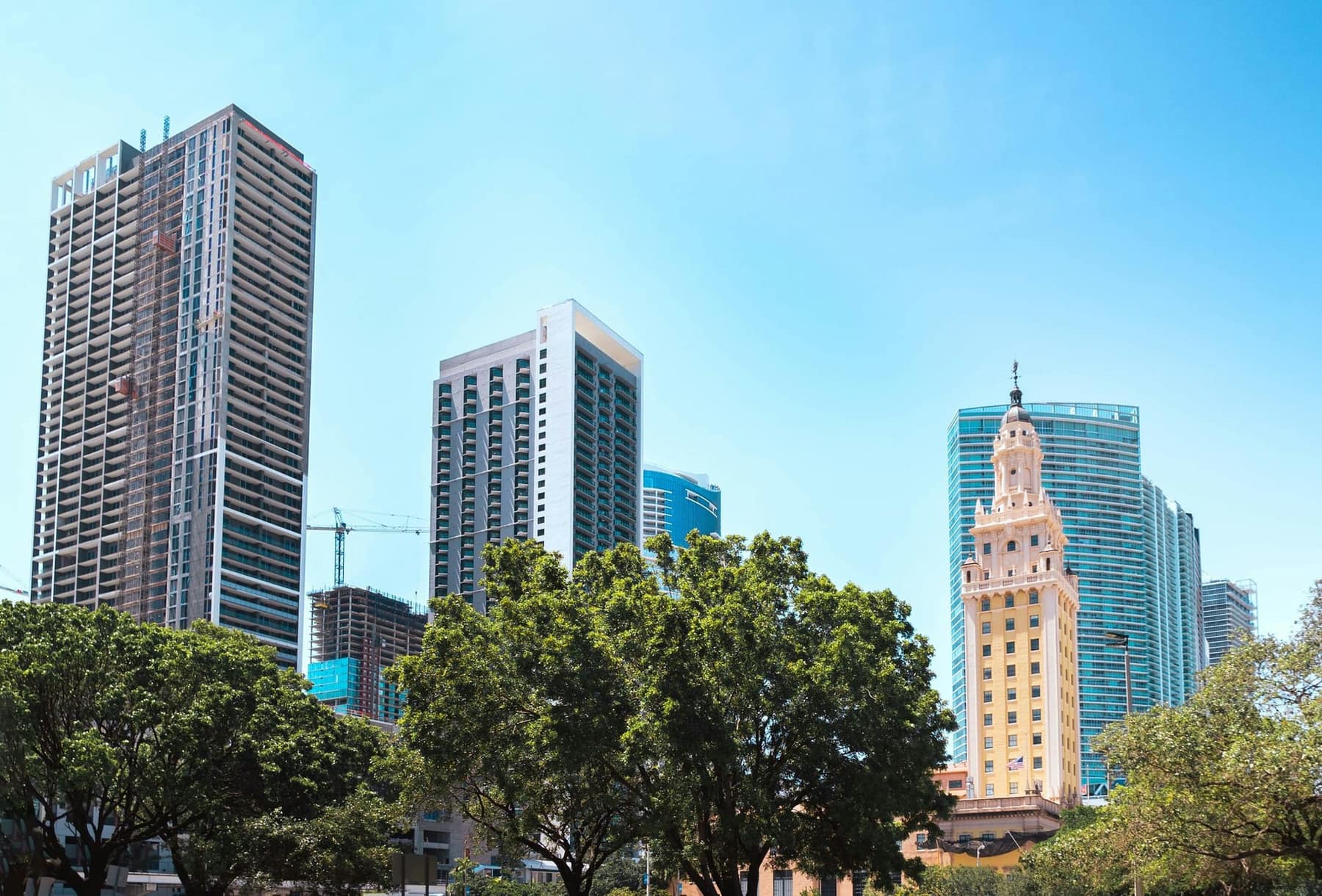
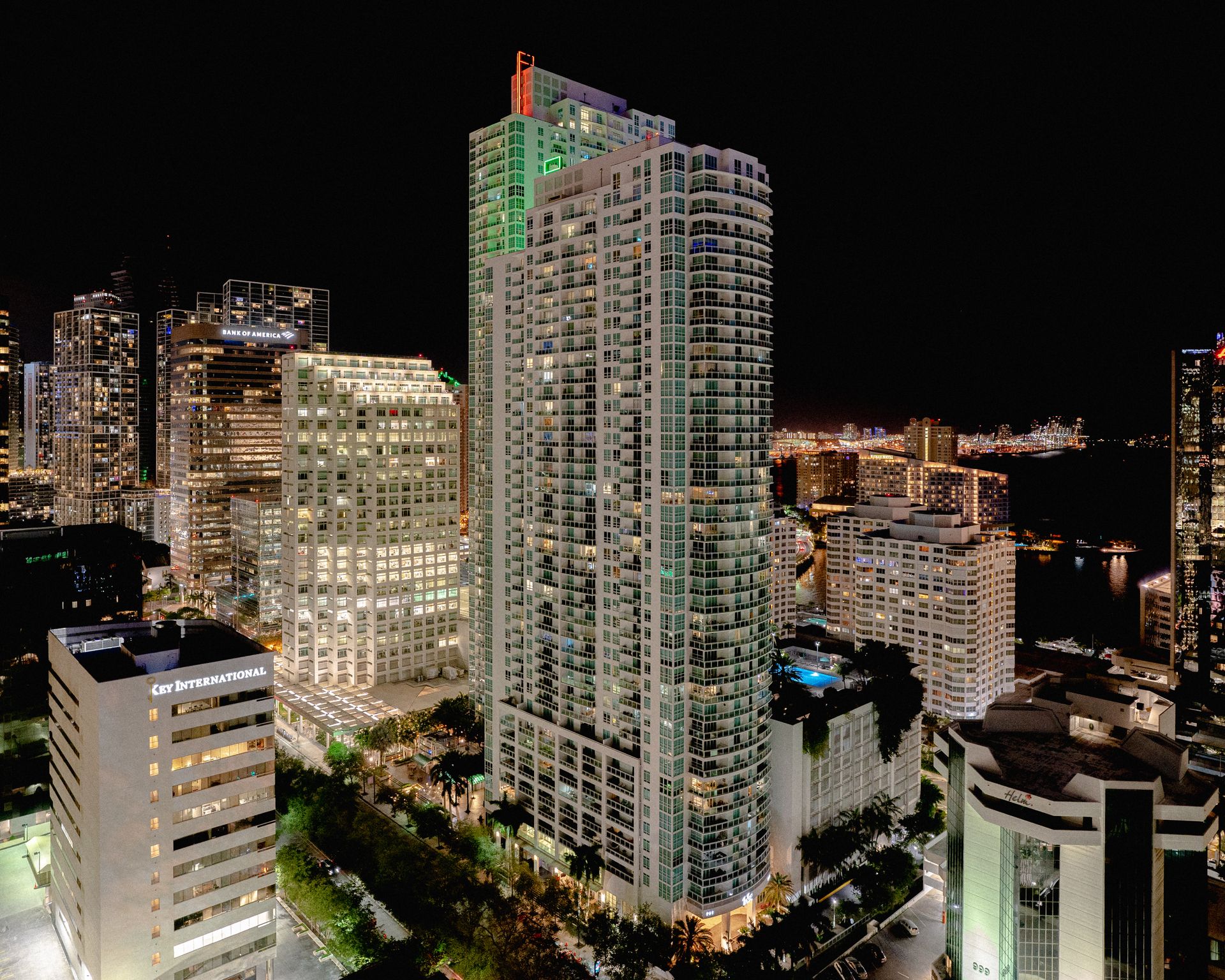
It is accurate, and in Miami it leaves out most of what decides whether a short-term rental keeps operating. This is a market of condo towers. Almost every unit sits inside a building with its own rules, its own front desk and its own view of transient guests. Around that sits a licence and tax stack at three levels of government, a guest pool that includes people looking for a party venue, and a hurricane season that arrives every year.
Managing a Miami short-term rental is managing all of that. The listing sits on top.
It starts with the building
Before anything is listed, three separate layers have to permit nightly rental: the zoning for the address, the building’s use classification, and the condo declaration. Any one of them can stop the operation, and the declaration is the one that most often does. The full sequence is laid out in can I Airbnb my Miami condo.
Once a unit is cleared, the building becomes a daily working relationship. Guests may need to be registered with the front desk before arrival. Fobs and keys have to be issued and recovered. Parking and valet have their own rules. Amenity access, move-in procedures for longer stays, and quiet hours all come from building management, and a manager who ignores them will hear from the association quickly.
A good manager treats the building as a stakeholder, not an obstacle. Owners whose units sit in towers that accept short-term rental do best when the association rarely has a reason to notice their unit.
The licence and tax stack
A Miami short-term rental that is eligible still has to be licensed. Depending on the address, that means a Florida state vacation rental licence, a Miami-Dade County certificate of use, a municipal business tax receipt, and registration for the transient rental taxes that apply to stays of six months or less.
Some of those taxes are collected by the booking platforms and some may not be, depending on the channel and the tax. Direct bookings sit outside platform collection entirely. Somebody has to know which is which, file on time, and keep the licences renewed. On a full-service arrangement, that is usually the manager’s job, coordinated with the owner’s accountant. On a co-host arrangement, it usually stays with the owner.
Guests: the ones you accept and the ones you don’t
Miami attracts excellent guests and a reliable share of bookings that are really parties. Screening is the part of the job that protects the asset, the building relationship and the licence all at once.
In practice that means identity verification beyond what the platform provides, house rules that prohibit events, security deposits held off-platform where the channel allows it, noise monitoring that respects guest privacy, and a local person who can physically reach the unit when an alert fires. Most of that is invisible when it works. When it doesn’t, the cost shows up as a fine, an association hearing or a damaged unit.
The rest of the guest side is hospitality: fast responses, clean check-ins, local recommendations and the small requests that turn into five-star reviews. Miami’s demand runs across the whole year rather than one season, a pattern covered in Miami’s 365-day demand engine, so this work never really pauses.
Upkeep in salt, sun and humidity
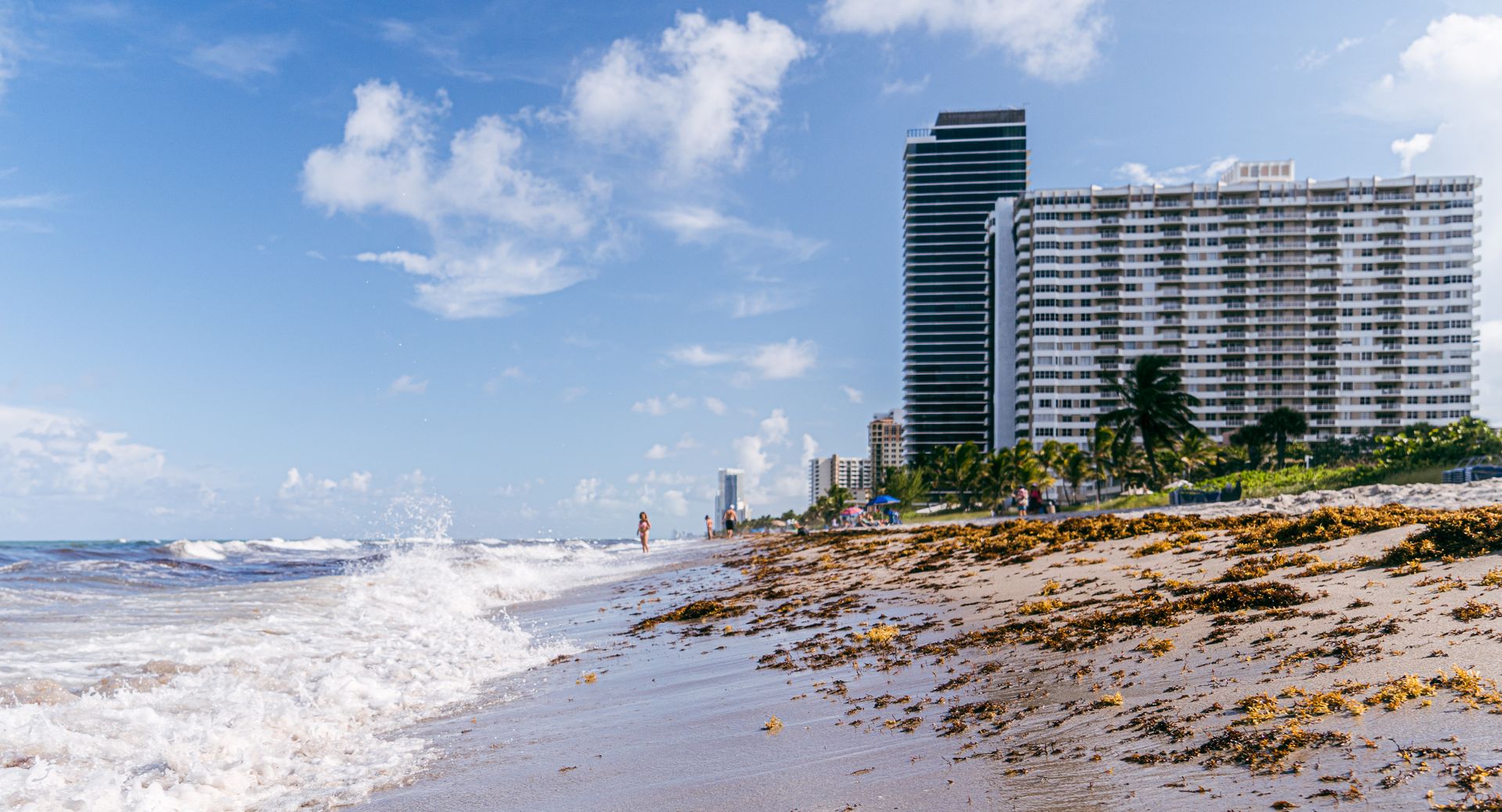
Coastal Miami is hard on a unit. Air conditioning runs most of the year and needs servicing on a schedule, not when it fails mid-stay. Salt air corrodes balcony hardware and fixtures. Humidity finds closets, mattresses and soft furnishings in units left closed between bookings. Short-term turnover adds wear on top of the climate.
The Atlantic hurricane season runs from June 1 to November 30. Preparation means securing balcony furniture, following the building’s storm procedures, communicating with guests in the unit, and documenting condition before and after a storm. An owner abroad should know the state of the unit the morning after without having to ask.
How Airbnb management is usually priced
Most full-service Airbnb management in Miami is priced as a percentage of rental revenue. That number gets the attention. What sits around it matters more.
The first question is what the percentage includes. In some arrangements it covers pricing, messaging and cleaning coordination, and licensing, tax filing, building coordination and maintenance management are billed separately or left with the owner. In others it covers the full operation. Two quotes with the same percentage can describe very different jobs, which is also the real difference between a co-host and a management company, set out in what an Airbnb co-host cannot take off your plate in Miami.
The second question is what stays with the owner. Association dues, utilities, insurance, licence fees and supplies are usually owner costs. Guest cleaning is usually charged to guests. Repairs are where structures differ most: billed at cost, billed with a coordination charge, or built into a margin. Each can be fair. The owner should know which applies before the first invoice.
The third question is onboarding. Photography, listing builds, licence applications, inventory and small repairs before the first guest are charged up front by some managers, absorbed by others, and recovered over the first months by others again.
And if the unit sits in a condo-hotel with its own rental program, the economics are different again. The comparison is in condo-hotel or independent operation.
Whatever the structure, it belongs in writing before anything is signed.
What reporting should show
An owner in New York, Toronto or São Paulo sees the unit through reporting. That should mean bookings and revenue by channel, every expense with its receipt, tax filings and licence status, any correspondence with the association, and dated photographs after turnovers and inspections. Anything that needs a decision should arrive with a recommendation and a cost. Running the unit from a distance is covered in more depth in how to manage a Miami short-term rental remotely.
What to ask before signing
A handful of questions sort the conversation quickly. Have you confirmed my building and declaration permit nightly rental, and how? Who holds the licences and files the transient taxes? How do you screen guests, and what happens when a party is booked anyway? Who deals with the front desk and the association? What does the percentage include, and what stays with me? How are repairs billed? What is your hurricane procedure? What will my monthly report look like, and can I see a real one?
The answers show whether the arrangement covers the listing or the whole operation.
Our own approach to Miami Airbnb management starts with the building and the licences and runs from there, across Brickell, Downtown and Sunny Isles.