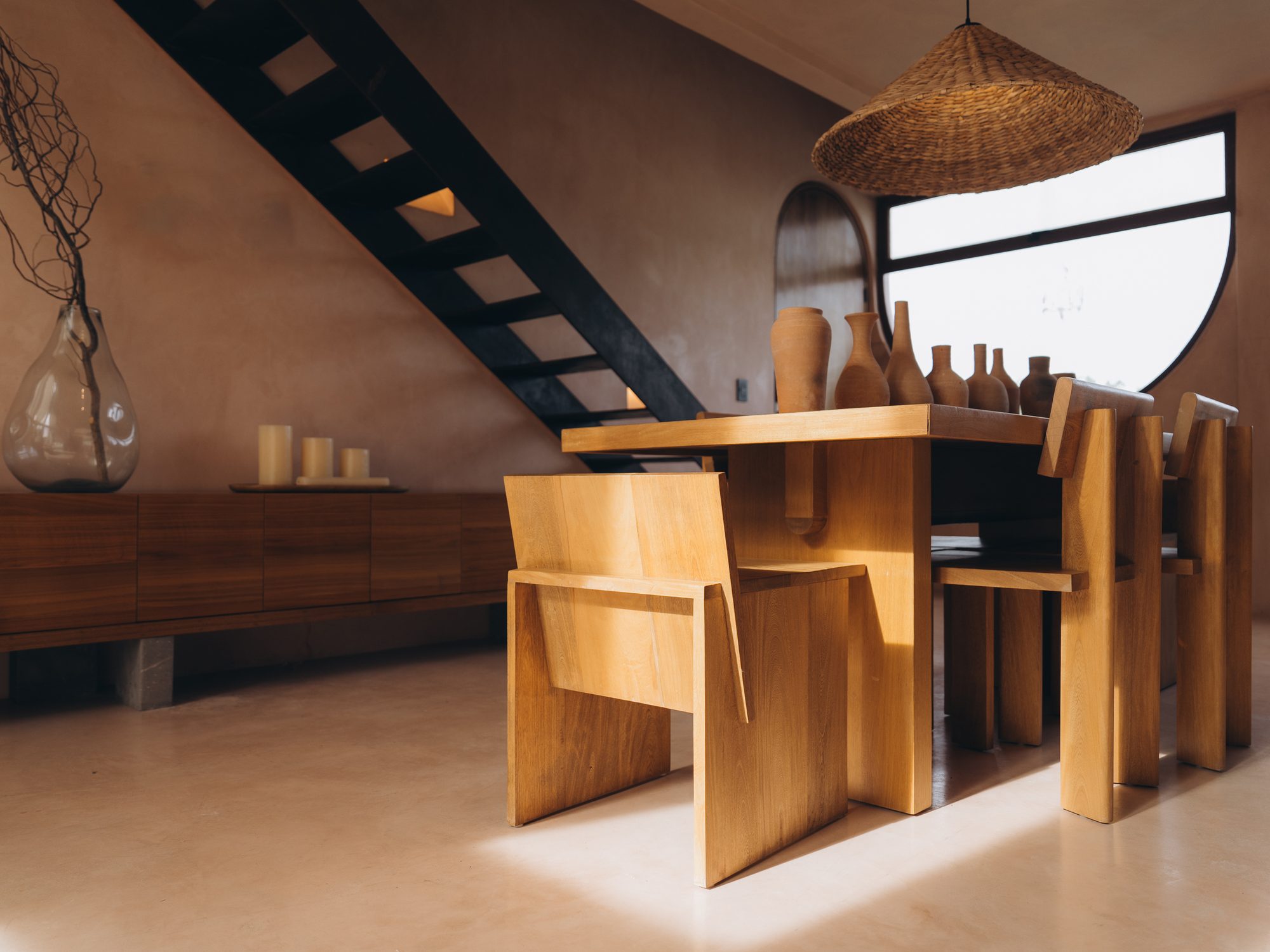
A guest searching Tulum never walks into your villa first. They see a thumbnail in a grid of dozens of others, nearly all with a pool, nearly all with palms. The photograph is the first showing. For most guests it is the only one before they pay.
That makes listing photography the single most consequential marketing decision an owner makes about a rental. It is also one of the most frequently rushed.
The photos have two jobs
The first job is winning the click. In a grid of similar properties, the cover image has a fraction of a second to register as different.
The second job is setting the expectation the stay has to meet. This is the one that gets lost. Airbnb asks every guest to rate the listing’s accuracy after checkout, and that rating feeds everything that follows. An ultra-wide lens that turns a modest bedroom into a ballroom wins the click and loses the review. So does a pool shot taken before the deck weathered, or a sunset view that only exists from one corner of the roof.
Good listing photography is persuasive and accurate at the same time. The whole craft sits in that overlap. In a market where, as we have written about Tulum’s two-speed rental market, presentation separates the properties that book from the ones that wait, getting it right is not cosmetic.
Tulum light is the problem
The Riviera Maya is a hard place to photograph a building.
At midday the sun sits nearly overhead. Shadows go black, skies blow out to white, and pools lose their colour. Inside, rooms that feel bright in person photograph dark against their own windows. The jungle canopy that makes a property feel private throws a green cast onto white walls and pale chukum, and the camera records it even when the eye ignores it.
A photographer who knows these conditions works around them. Exteriors and pools get shot early and late, when the light is low and soft. Interiors get multiple exposures blended so the room and the view through the window both read. Colour is corrected so white stays white without the whole image going sterile.
Humidity adds a practical constraint. Carry a camera from an air-conditioned bedroom onto a terrace and the lens fogs for several minutes. It sounds trivial. Across a full shot list it is the difference between an hour and a day, and a Tulum villa shoot should be planned as a day.
What the shot list should cover
Start with the cover image, because it does most of the commercial work. It has to read at thumbnail size on a phone. That usually means the pool or the main living space, photographed with depth, a clear subject, and nothing competing with it.
Then every bedroom, with the bed configuration obvious. Groups book on who sleeps where, and a guest who cannot work that out from the photos either messages with questions or books somewhere else. Every bathroom. The kitchen, which matters more for groups and longer stays than owners expect. Outdoor spaces at golden hour. A twilight exterior with the interior lights on, if the property has a rooftop or pool worth showing that way.
A handful of detail shots carry the materials: carved wood, stone, woven light fittings, the chukum finish. Three or four do the job. A dozen starts to look like padding.
Finally, the entrance. The gate, the building, the path in. Guests arriving after dark on an unfamiliar street want to recognise the place. It is the least glamorous photo in the set and it heads off a surprising number of arrival-night messages.
Order matters as much as selection. The first five images do most of the selling, so the sequence should move through the property the way a guest would experience it rather than follow the order the photographer shot it in.
Most of a good shoot happens the day before
A photographer can do a great deal with light. They cannot fix a room that is not ready.
The property should be cleaned to the standard of a guest arrival, then gone over again. Beds made tight with pressed linen. Personal items, remotes, cables, chargers, and bathroom clutter removed. Pool skimmed, outdoor cushions out, plants trimmed back from paths and windows. Every bulb working and matched in colour temperature, because a single cool bulb in a warm room shows up in every frame.
Styling should look lived in, not staged. A folded throw, a book, fruit on the counter. Props that look like a catalogue read as a catalogue, and guests notice when the place they arrive at feels emptier than the one they booked.
Sometimes the shoot reveals something prep cannot solve: a room with no focal point, furniture that fights the space, a layout that photographs badly from every angle. That is a design problem showing up in the photos, and it is worth fixing before paying to photograph it. We cover what that work involves in Tulum interior design and in how design choices drive bookings in Tulum villas.
Photos age faster here
Listing photos in Tulum have a shorter useful life than owners assume.
Humidity and salt air wear finishes. Wood greys, metal spots, exterior paint chalks. Landscaping that looked sparse at the shoot fills in within a season or two, which can be an improvement or can hide the view. Furniture gets replaced as it wears. Each change opens a small gap between the listing and the property, and guests find the gaps.
The rule we work to is simple. Reshoot after any design refresh, after any significant change to landscaping or outdoor spaces, and whenever reviews or guest messages suggest the place looks different from its photos. Keeping the property itself close to its photographs is part of the same discipline, which is why listing accuracy sits inside our approach to Tulum villa maintenance and not only inside marketing.
Who we work with
For the Tulum properties we manage, we work with Sylwia at Archiwia, an interior and property photographer based in Tulum. The photograph at the top of this article is hers. Her approach suits rental work well. She spends time with the space and the light before shooting, photographs rooms as they are lived in, works in natural light wherever possible, and edits with a light hand so colour stays true to the place. That last point is the accuracy rating, in practice.
The point
Listing photography is not a finishing touch applied after the real work is done. In a market with more supply than demand, the photographs decide which properties get considered at all, and the stay decides whether the photographs were honest.
Owners who want both handled as one operation can read more about how we manage Tulum rentals.

